
Architect Your Spatial Web App
Turn point clouds and segmentation outputs into a browser-delivered app anyone can open with a URL. 5 modules. Streamlit, Three.js, chunked streaming. No black boxes.
See the web app architecture in action
A walkthrough of the course, the streaming layer, and the deployed Segmentor OS interface.
Points streamed to the browser per app session. The stack was designed for digital twin-scale delivery.
Students trained worldwide across 80 countries.
Production experience distilled into structured, repeatable workflows.
Your 3D demo dies on the client’s machine.
You built a beautiful segmentation pipeline. It runs on your laptop with a 4090 and 64 GB of RAM. The moment you show it to a client, they open CloudCompare on a corporate Dell with 8 GB of RAM, and the scan crashes the session. You email them a screenshot instead. Again. Your pipeline is locked inside a Jupyter notebook no one else can open.
The gap isn’t your pipeline. It’s delivery architecture. A spatial web app decouples processing from viewing. Heavy compute runs on your infrastructure; the client opens a URL and sees the result, streamed progressively at browser-friendly resolution.
In 2026, every client expects to open a URL. No installs. No license keys. Just a link that works on their laptop, their tablet, and maybe even their phone. The 3D engineers who master browser delivery turn one-off deliverables into reusable assets. The web app is the new PDF report.
What you’ll build
A full spatial web app architecture you own, end to end. Backend, streaming, viewer, deployment.
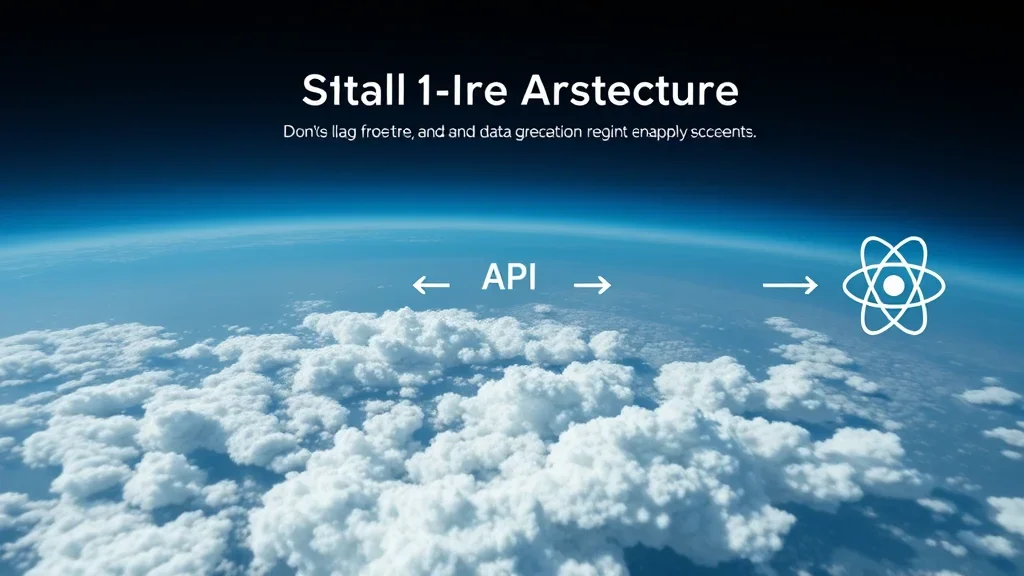
Spatial backend
A Python backend that parses, segments, and chunks LAS, E57, PLY files for browser consumption. FastAPI, PDAL, and a chunking scheme that actually works at scale.
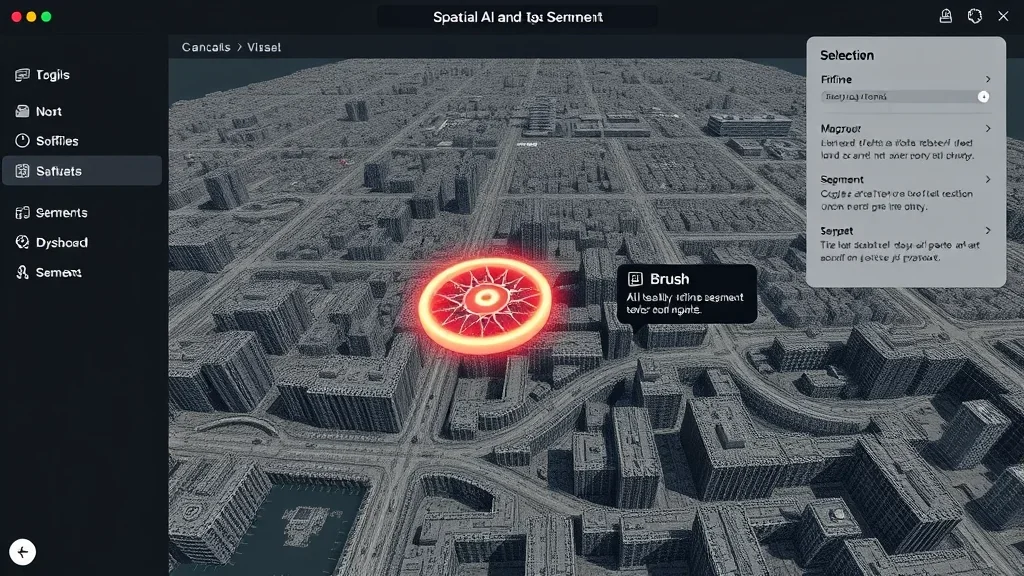
Segmentation integration
Wire your segmentation model into the app. Serve per-point class labels alongside geometry. Let users toggle classes, filter by confidence, and export results.
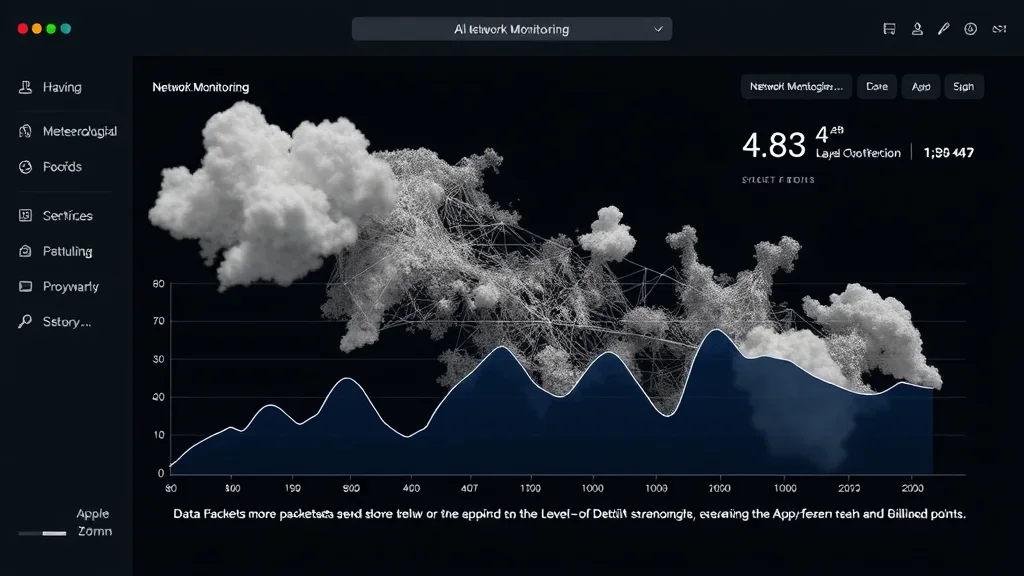
Chunked streaming
Browser-friendly delivery. Octree-based chunking, level-of-detail, and a streaming protocol that keeps a 100M-point cloud responsive on a modest laptop.
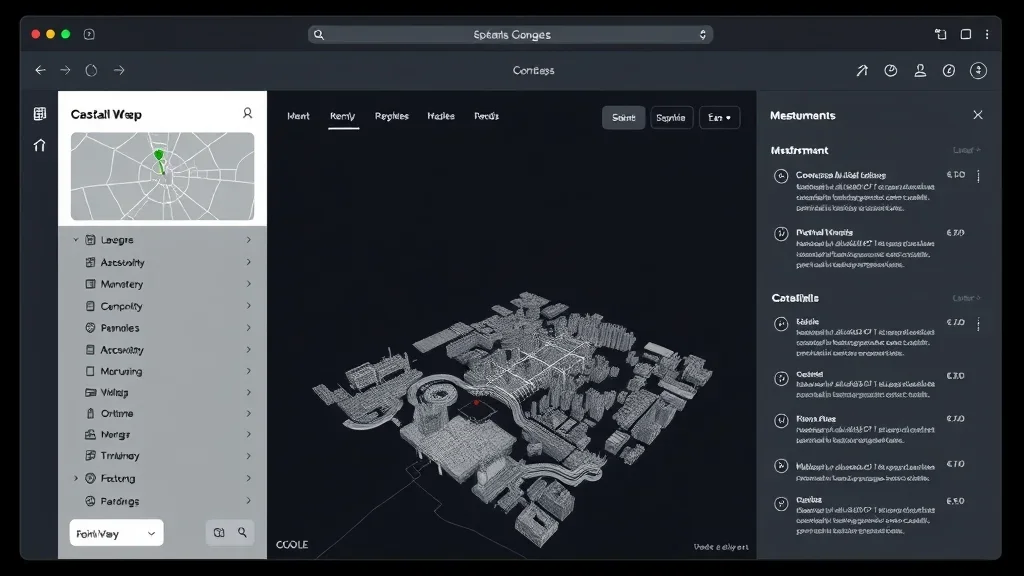
Three.js viewer
A Three.js viewer with orbit, select, measure, and annotate. Built on patterns your frontend engineers can extend.
Auth and sharing
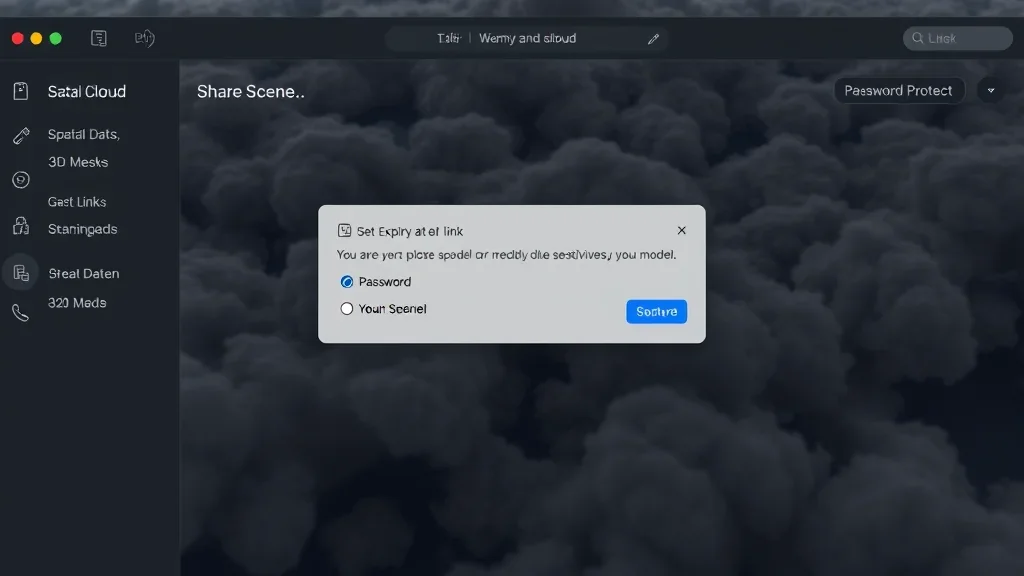
Shareable scene URLs with per-link permissions. A simple auth layer that fits startups and small firms, and the patterns that let you graduate to enterprise SSO when the client asks.
Production deployment
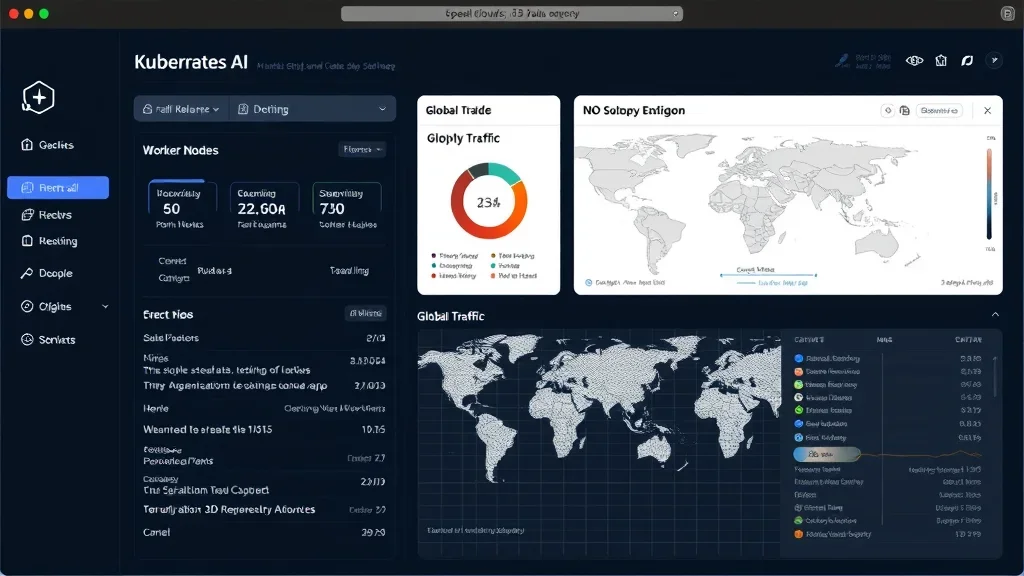
Deploy to Streamlit Cloud, Fly.io, or your own VPS. Cost, performance, and failure-mode tradeoffs I’ve lived through, so you don’t have to.
I built this course because the most common message I get from students is some variant of ‘my pipeline works, but my client can’t open it’. The delivery layer is what opens up everything else. Once you master it, one good segmentation becomes a reusable product. That’s the multiplier this module adds to any 3D skill set.
How this course works
Built for 3D engineers who want to ship past the notebook.
100% asynchronous
Access every module 24/7 on the LMS. No live sessions required. Work at your own pace.
Full app repo
Every module ships with complete Python and JavaScript code. Clone the repo, plug in your data, deploy to your own hosting.
Progress tracking
Built-in progress dashboard. Track your completion across all 5 modules, mark milestones, monitor your learning velocity.
Browser-first pedagogy
Every lesson ends with a deployable artifact. You don’t just write code, you push it to a URL anyone can open.
Lifetime access
You keep access forever. Every future update, every new hosting pattern, every new frontend integration. If anything ever happens to the platform, I’ll send you the full offline version too.
Upgrade path
This is the web module from the Segmentor OS. If you want the full deep learning stack, I credit the standalone price toward the OS.
Every delivery friction point gets smaller the closer you get to the browser. No installs. No license keys. No GPU requirements. No file transfer nightmares. The URL is the minimum viable delivery format for 3D work in 2026, and this course teaches you to build for that reality.
The Curriculum
5 modules. From Python backend to a deployed browser-first spatial app.
Prerequisites
This course is for 3D engineers ready to ship past the notebook. You should already be comfortable with point clouds and basic Python.
- Python (mid-level): classes, file I/O, NumPy, and basic packaging
- Point cloud basics: you’ve loaded a LAS or E57 file, you’ve used Open3D at least once
- Web basics: you don’t need to be a frontend engineer. I use Streamlit and a thin layer of Three.js, both kept as simple as possible
- Hardware: any modern laptop. No GPU required. Free tiers of Streamlit Cloud or Fly.io are enough to complete the course
No web development experience required. I build the browser layer from scratch with patterns 3D engineers can absorb.
Design the backend. FastAPI service, a job queue, file storage, and the directory structure that keeps the project sane as it grows.
Prepare point clouds for the browser. Octree chunking, level-of-detail, and a streaming protocol that keeps 100M points responsive on a modest client machine.
Wire your segmentation model into the app. Per-point class labels streamed alongside geometry. Class toggles, confidence filters, and export paths.
Build the viewer. Three.js integration, orbit and select tools, a measurement tool, and an annotation layer your client can actually use.
Deploy the app. Streamlit Cloud, Fly.io, or your own VPS. Auth, sharing links, rate limits, and the cost-performance tradeoffs of each hosting option.

Your instructor
Dr. Florent Poux
I’ve spent 12+ years in 3D geospatial: from field surveys with total stations to building AI systems for Fortune 500 companies. I published the O’Reilly book on 3D Data Science with Python. I’ve advised startups valued at over 15M EUR. I’ve held a professorship, taught at university, and led R&D for some of the largest organizations in the space.
I don’t teach syntax. I teach judgment. Every module is built around real decisions I’ve faced in production. Which neural renderer fits an industrial inspection job. How to architect a semantic pipeline that doesn’t choke on 500M points. When to use algorithmic methods and when to switch to deep learning.
What students say
3D engineers, ML practitioners, and solutions architects from 80 countries.
“The scene graph module opened up possibilities I hadn’t considered. We built a spatial reasoning engine for our autonomous robot using exactly the architecture from Module 2.”

“I’ve taken other 3D courses. This is the only one where I actually deployed something. The web app module turned into a client demo that won us a contract.”
“As a PhD student in remote sensing, I needed production skills to complement my research. This course filled exactly that gap. My advisor was impressed with the pipeline I built.”
“I went through three Udemy courses before this one. Night and day. Florent teaches like someone who has shipped 3D products, not someone who read about them.”
“Going from a Jupyter notebook to a deployed three.js app in five lessons was almost embarrassing. We launched our first client viewer the following week.”
“The streaming architecture module is gold. Our 80 million point dataset now loads in a browser without melting laptops.”
Get lifetime access
One payment. Every module, every update, every line of web app code.
Spatial Web App Architecture
Complete web app curriculum + source code + lifetime updates
- 5 focused modules (10+ hours)i
- Complete Python + JS source code
- FastAPI + PDAL backend
- Three.js viewer with tools
- Streamlit Cloud deployment
- Lifetime access + all future updatesi
- 90-day results guaranteei
Zero-risk guarantee: Apply the course material. If you don’t see real results within 90 days, I’ll refund you in full. No forms, no questions.
The complete ecosystem
3D AI Architect Program
The complete spatial AI curriculum, delivered in 3 tiers. Pick the depth that matches where you are — Foundations to get moving, Professional for the full OS stack, Ultimate for live access and priority support.
- 3D AI Acceleratori: 17 episodes in 6 acts
- 3D Course Libraryi: 24+ standalone courses
- All 4 OS courses (Professional & Ultimate tiers)
- Neurones 3D software access
- Monthly drop-in sessions with Dr. Poux (Ultimate)
- Spatial AI job and market intel
- Priority support + services access (Ultimate)
- 300+ hours of content
What you’re getting access to
Everything I’ve built over 12+ years, from land surveying in the field to advising 15M EUR startups, compressed into one curriculum you can start today. Delivered by the first QUALIOPI-certified 3D geospatial academy.
Every pipeline was battle-tested on Fortune 500 projects processing billions of points. You’re getting the real playbook, not theory.
Methods validated by peer-reviewed publications, the ISPRS scientific community, and 1,500+ academic citations. Not guesswork.
Built by someone who surveyed in the field, defended a PhD, advised funded startups, and shipped products to Fortune 500 clients.
I share more free content than most people put behind a paywall. That’s intentional. I want you to know exactly what you’re getting before you invest. This course is the concentrated, structured version of everything I know. No fluff. No filler. Just the production path.
Find the right path for you
From single courses to the complete ecosystem.
| Feature | Standalone Course | Spatial Web App Architecture | Course Library | 3D AI Architecti | Enterprise |
|---|---|---|---|---|---|
| Courses included | 1 topic | 5 modules | Full catalogi | 3 OS courses + Library (tiered) | Custom |
| Hours of content | 2-8h | 10+ hours | 150+ hours | 300+ hours (tiered) | Custom |
| Production source code | ✓ | ✓ | ✓ | ✓ | ✓ |
| Lifetime access | ✓ | ✓ | – | ✓ | ✓ |
| 3D AI Accelerator Tracki | – | – | – | ✓ | ✓ |
| Neurones 3D softwarei | – | – | – | ✓ | ✓ |
| Spatial AI job & market inteli | – | – | – | ✓ | ✓ |
| Monthly drop-in sessionsi | – | – | – | ✓ | ✓ |
| Priority support + services accessi | – | – | – | ✓ tiered | ✓ |
| Custom onboardingi | – | – | – | – | ✓ |
| Team licensing | – | – | – | – | ✓ |
| Price | €97 – €497 | €197 | €1,297 | Starts at €1,999 | On request |
Straight answers
Do I need to be a web developer?
No. I use Streamlit for the dashboard side and a very thin Three.js layer for the 3D viewer. If you can write Python and are willing to read a few hundred lines of JavaScript I explain line by line, you’re good.
Do I need a GPU?
No. The backend runs on CPU. The browser viewer uses WebGL on your client’s GPU, which even a modest laptop can handle.
What hosting do you cover?
Streamlit Cloud (free tier, fastest path to a public URL), Fly.io (more control, still cheap), and a small VPS (maximum control). I cover the tradeoffs of each.
Will this scale to 500M points?
The architecture scales. The free hosting tiers don’t. Module 2 covers the chunking scheme that keeps the browser happy. Module 5 covers the hosting upgrades needed to serve genuinely large scans.
Does this work with my own segmentation model?
Yes. The segmentation layer is model-agnostic. Plug in a PointNet++, a RandLA-Net, or something custom. The course treats the model as a black box with a defined I/O contract.
How long do I have access?
Lifetime. One payment, permanent access. Every future update included.
What’s the refund policy?
90 days. Deploy an app on real data. If you don’t see results, email me for a full refund. No questions.
How does this compare to the Spatial OS web module?
This is the Segmentor OS web module, sold on its own. The Spatial OS covers a similar architecture with different emphasis (more graphs, more agents, less segmentation). Pick the one closest to your day job.
Can I use this for commercial client delivery?
Yes. Every piece of code is yours to use, modify, and ship in client projects. No license restrictions.
Not sure if this course fits?
If you have specific questions about how the curriculum applies to your role, your team’s needs, or your technical background, I’m happy to help you figure it out before you commit.
Book a 15-min call