
Deploy 3D Facility Management Apps
Turn your scans and BIM data into a live facility management app clients can actually use. 5 modules. Real Python, real web apps, real AEC workflows.
See the FM app in action
A walkthrough of the course, the asset registry, and the deployed browser-based interface.
Facility scale covered by the example app. The patterns scale from one building to a full digital twin.
Students trained worldwide across 80 countries.
Production experience distilled into structured, repeatable workflows.
Your BIM data is beautiful. Your facility team can’t use it.
You delivered a BIM model. The client is impressed. Six months later, the facility manager still logs maintenance tickets in Excel. Why? Because nothing in your delivery is actually usable day-to-day. A 2 GB IFC file isn’t an app. An Autodesk viewer login isn’t a workflow.
The gap isn’t the model. It’s the application layer. What clients need is a browser tab with their building on it, an asset list, a work-order form, and a search box. Simple on the outside, a full 3D data stack on the inside. That’s the app this course teaches you to build.
Architects and surveyors love BIM viewers. Facility teams don’t. They want work orders, maintenance history, and a floor plan they can click on. This course is about bridging that gap with a real, browser-deployed 3D app that facility teams will actually open. The engineer who builds that bridge owns the next decade of AEC tech.
What you’ll build
A complete 3D facility management app, from scan ingestion to browser delivery. No toy demos.
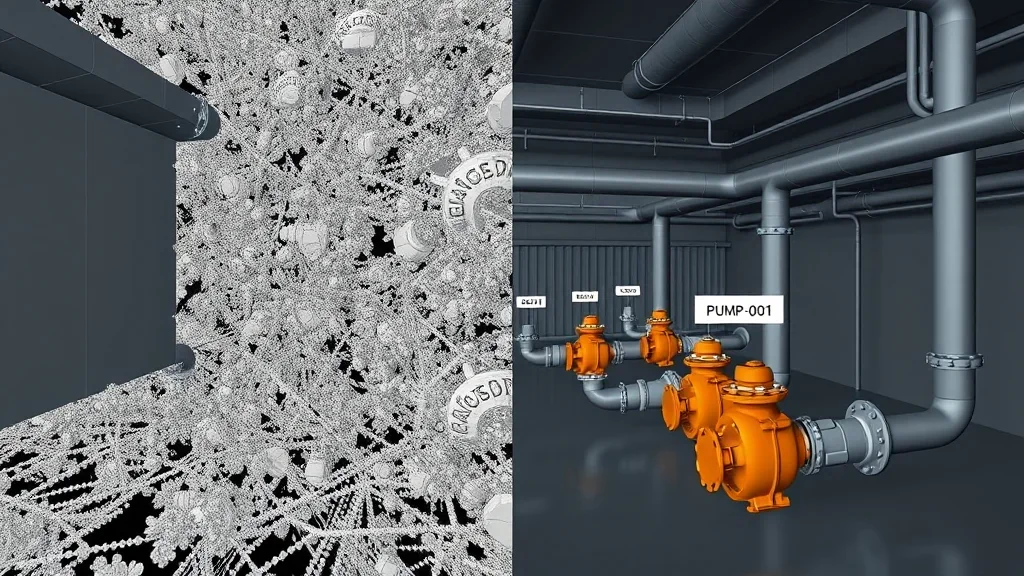
Scan-to-asset pipeline
Turn raw point clouds into a structured asset registry. Automatic object detection, IFC import, and the semantic layer your app will query.
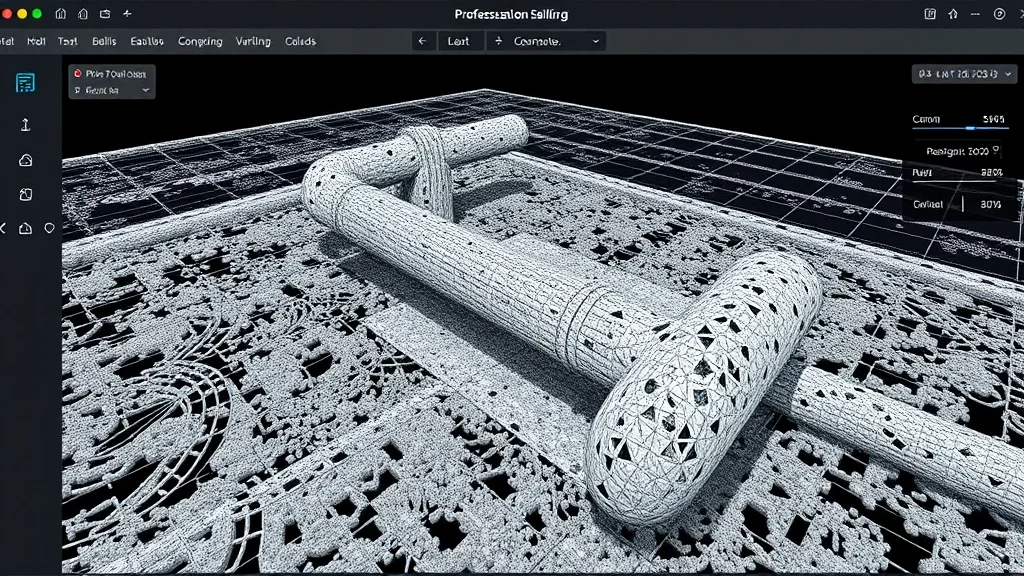
BIM integration layer
Ingest IFC from Revit, ArchiCAD, or Tekla. Reconcile against your scans, detect as-built deviations, and publish a unified model your app and your client’s existing BIM tools both trust.
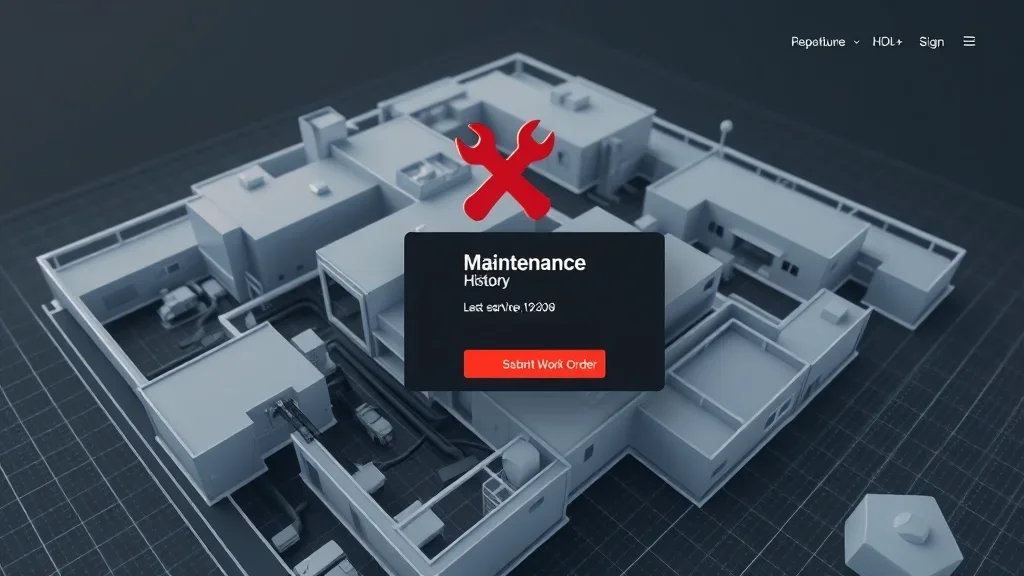
Maintenance dashboard
Work orders, maintenance history, and asset health in one view. A dashboard that facility managers will actually open, because it was designed for their workflow, not for architects.
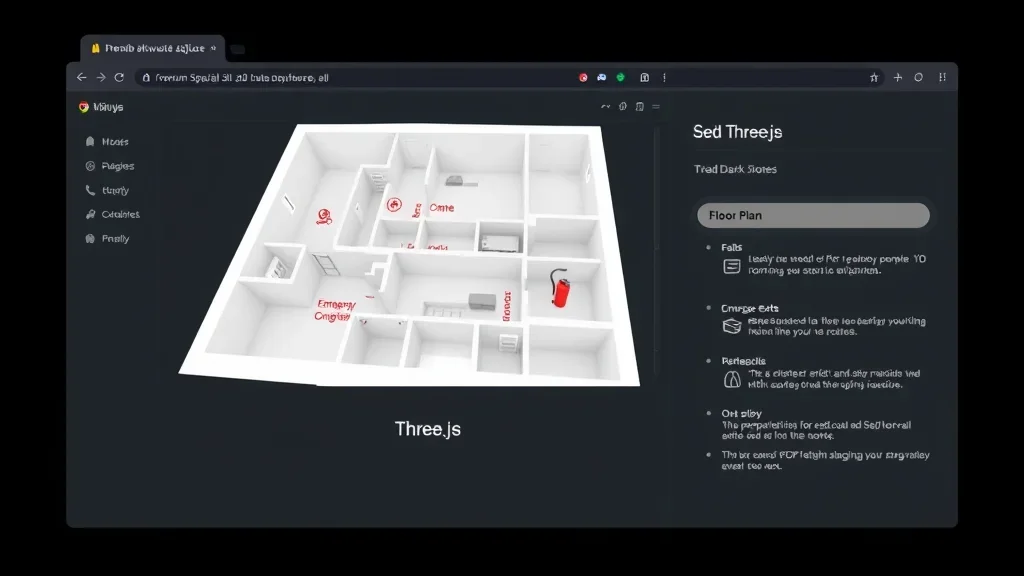
Browser-based delivery
Ship your app to the browser. Three.js viewer, progressive loading, and a floor-plan mode facility teams love more than the 3D view.
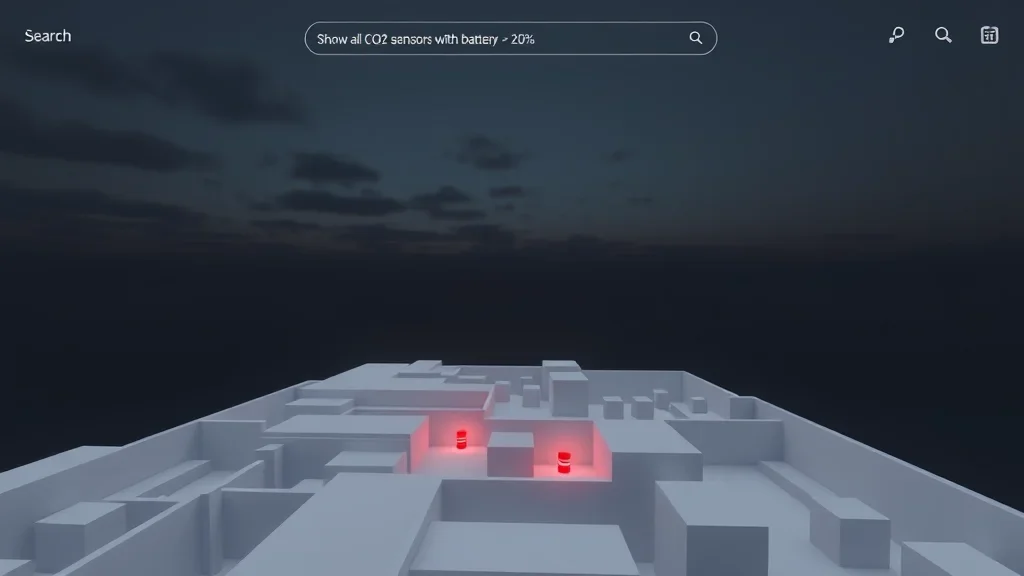
Query and search
Text search, spatial filters, and asset-type drill-downs. Find every HVAC unit on floor 3 in two clicks. The kind of interaction clients actually ask for.
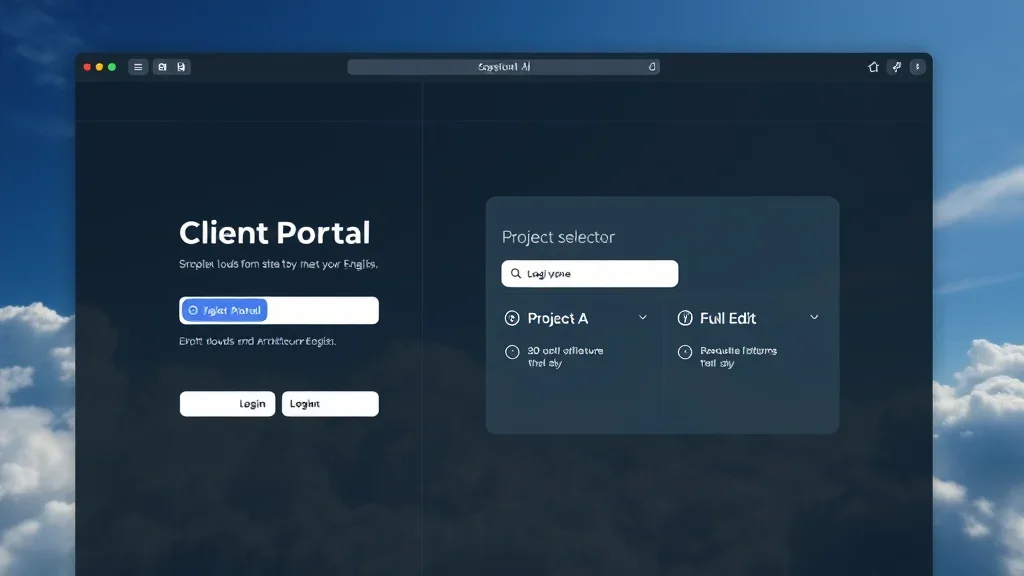
Multi-tenant and auth
Roles, permissions, and multi-client isolation. The operational basics that separate a portfolio-ready demo from a real SaaS product you could charge for.
I built this course because AEC is drowning in beautiful BIM that no one uses after handover. The firms that break out of that cycle are the ones who learn to package their 3D data into apps. Not platforms. Not viewers. Actual small, focused apps that solve a specific job. That’s what I show you how to build here.
How this course works
Built for AEC engineers, BIM managers, and AEC technology leads.
100% asynchronous
Access every module 24/7 on the LMS. No live sessions. Fit it around site visits and client meetings.
Full app repo
Every module ships with complete Python and JavaScript source code. Clone the repo, swap in your building data, deploy to your own hosting.
Progress tracking
Built-in progress dashboard. Track your completion across all 5 modules, mark milestones, monitor your learning velocity.
Real AEC datasets
An office building, a small industrial facility, a heritage site. Real scans, real IFCs, real messy handover data. The course meets the reality of AEC, not a studio demo.
Lifetime access
You keep access forever. Every future update, every new integration (IFC, BCF, Autodesk APS), every deployment improvement. If anything ever happens, I’ll send you the full offline version too.
Client-ready patterns
Multi-tenant auth, light-weight billing hooks, and delivery patterns that move an FM app from portfolio piece to actual billable product. The business layer, not just the tech.
The firms winning facility management mandates in 2026 aren’t the ones with the prettiest BIM. They’re the ones delivering a browser app at handover. Clients sign longer contracts when the 3D asset becomes a living tool instead of a static deliverable. That’s the shift this course prepares you to lead inside your firm.
The Curriculum
5 modules. From scan-to-asset to a deployed facility management app clients can log into.
Prerequisites
This course is built for AEC engineers and BIM managers ready to move into software. You don’t need to be a web developer, but you should be comfortable running Python.
- Python (beginner to mid-level): comfortable running scripts, installing packages, and reading someone else’s code
- Basic 3D awareness: you’ve opened an IFC or point cloud before. You know what a BIM model is
- Web basics (nice to have): I use Streamlit and a thin layer of Three.js. No deep JavaScript required
- Hardware: any modern laptop. No GPU required for any module
If you’re brand new to point clouds, take Point Cloud Intelligence first. If you’re a BIM specialist new to Python, the included prerequisite ebook has you covered.
Build the asset registry. Ingest scans, detect primitives (walls, HVAC, doors, fixtures), and persist a structured catalog your app can query. This is where raw geometry becomes facility data.
Ingest IFC from Revit, ArchiCAD, Tekla. Reconcile against your scans, detect as-built deviations, and publish a unified model. The interoperability module every AEC team needs.
Work orders, maintenance history, asset health. The actual business logic facility teams use day to day. Designed around real workflows, not 3D viewer vanity.
Ship the UI. Streamlit for the dashboard side, Three.js for the 3D viewer, and a floor-plan mode facility teams will use more often than either.
Ship the app. Multi-tenant authentication, role-based permissions, client onboarding, and the deployment patterns that turn a demo into a product you could charge for.

Your instructor
Dr. Florent Poux
I’ve spent 12+ years in 3D geospatial: from field surveys with total stations to building AI systems for Fortune 500 companies. I published the O’Reilly book on 3D Data Science with Python. I’ve advised startups valued at over 15M EUR. I’ve held a professorship, taught at university, and led R&D for some of the largest organizations in the space.
I don’t teach syntax. I teach judgment. Every module is built around real decisions I’ve faced in production. Which neural renderer fits an industrial inspection job. How to architect a semantic pipeline that doesn’t choke on 500M points. When to use algorithmic methods and when to switch to deep learning.
What students say
AEC engineers, BIM managers, and facility technology leads from 80 countries.
“We used the HITL annotation engine to label 50K objects in our BIM dataset. It cut our annotation time by 70%. Real production value from day one.”

“I went from copy-pasting Open3D tutorials to building a full classification pipeline for our digital twin project. The production mindset changes everything.”
“The scan-to-BIM pipeline turned a three-week manual modelling job into a two-day automated workflow. We closed three new heritage contracts the same quarter.”
“The photogrammetry-to-splat pipeline module replaced three tools in our stack. We deliver photorealistic scenes to clients in half the time.”
“Our facility team finally has a 3D digital model that maintenance crews actually open. The asset-tagging workflow is exactly what we needed.”
“Two factories, one onboarding script, identical deliverables. The course turned our scan-to-FM process from artisan craft into a repeatable product.”
Get lifetime access
One payment. Every module, every update, every line of FM app code.
3D Facility Management
Complete FM app curriculum + source code + lifetime updates
- 5 production modules (14+ hours)i
- Complete Python + JS source code
- IFC + scan reconciliation pipeline
- Three.js viewer and floor-plan mode
- Multi-tenant auth patterns
- Lifetime access + all future updatesi
- 90-day results guaranteei
Zero-risk guarantee: Apply the course material. If you don’t see real results within 90 days, I’ll refund you in full. No forms, no questions.
The complete ecosystem
3D AI Architect Program
The complete spatial AI curriculum, delivered in 3 tiers. Pick the depth that matches where you are — Foundations to get moving, Professional for the full OS stack, Ultimate for live access and priority support.
- 3D AI Acceleratori: 17 episodes in 6 acts
- 3D Course Libraryi: every standalone course I publish
- All 4 OS courses (Professional & Ultimate tiers)
- Neurones 3D software access
- Monthly drop-in sessions with Dr. Poux (Ultimate)
- Spatial AI job and market intel
- Priority support + services access (Ultimate)
- 300+ hours of content
What you’re getting access to
Everything I’ve built over 12+ years, from land surveying in the field to advising 15M EUR startups, compressed into one curriculum you can start today. Delivered by the first QUALIOPI-certified 3D geospatial academy.
Every pipeline was battle-tested on Fortune 500 projects processing billions of points. You’re getting the real playbook, not theory.
Methods validated by peer-reviewed publications, the ISPRS scientific community, and 1,500+ academic citations. Not guesswork.
Built by someone who surveyed in the field, defended a PhD, advised funded startups, and shipped products to Fortune 500 clients.
I share more free content than most people put behind a paywall. That’s intentional. I want you to know exactly what you’re getting before you invest. This course is the concentrated, structured version of everything I know. No fluff. No filler. Just the production path.
Find the right path for you
From single courses to the complete ecosystem.
| Feature | Standalone Course | 3D Facility Management | Course Library | 3D AI Architecti | Enterprise |
|---|---|---|---|---|---|
| Courses included | 1 topic | 5 modules | Full catalogi | 3 OS courses + Library (tiered) | Custom |
| Hours of content | 2-8h | 14+ hours | 150+ hours | 300+ hours (tiered) | Custom |
| Production source code | ✓ | ✓ | ✓ | ✓ | ✓ |
| Lifetime access | ✓ | ✓ | – | ✓ | ✓ |
| 3D AI Accelerator Tracki | – | – | – | ✓ | ✓ |
| Neurones 3D softwarei | – | – | – | ✓ | ✓ |
| Spatial AI job & market inteli | – | – | – | ✓ | ✓ |
| Monthly drop-in sessionsi | – | – | – | ✓ | ✓ |
| Priority support + services accessi | – | – | – | ✓ tiered | ✓ |
| Custom onboardingi | – | – | – | – | ✓ |
| Team licensing | – | – | – | – | ✓ |
| Price | €97 – €497 | €297 | €297 / 3 months | Starts at €1,999 | On request |
Straight answers
Do I need Revit or Autodesk licenses?
No. The course uses IfcOpenShell for IFC parsing, which is free. I show how to read IFC files exported from Revit, ArchiCAD, or Tekla without depending on any paid Autodesk license.
Is this a BIM course or a programming course?
It’s both, in the right proportions. I assume you know what BIM is. What I teach is how to turn that BIM into a real software product facility teams can use. Heavy on Python and web, light on theory.
Do I need JavaScript experience?
No. I use Streamlit for the dashboard and a very thin layer of Three.js for the 3D viewer. The JS is kept minimal and explained line by line.
Can I use this for heritage or industrial facilities?
Yes. The asset registry schema is designed to flex. Heritage sites, industrial plants, hospitals, offices. I include datasets across domains so you see the pattern adapt.
How long do I have access?
Lifetime. One payment, permanent access. Every future update included.
What’s the refund policy?
90 days. Ship something real on your own data. If you don’t see results, email me for a full refund. No questions.
How does this compare to commercial FM platforms?
Commercial platforms are great for large fleets. They’re expensive, rigid, and slow to customize. Building your own app makes sense when you want to specialize (heritage, industrial, niche workflows), when you want to own the data, or when the margins on a small client don’t justify a commercial seat license.
Does this connect to IoT or sensor data?
The app schema is designed to ingest time-series data. I don’t deep-dive into IoT hardware, but I show where sensor feeds plug in and how to render them on top of the 3D view.
Do you offer team or firm licensing?
Yes. For AEC firms of 3+ engineers or enterprise licensing, contact me at howto@learngeodata.eu.
Not sure if this course fits?
If you have specific questions about how the curriculum applies to your role, your team’s needs, or your technical background, I’m happy to help you figure it out before you commit.
Book a 15-min call